

Collect smarter. Chase better. Enjoy the hobby.
INTRODUCTION
Welcome to Hockey Card Collecting — Let’s Make This Simple.
Collect smarter. Chase better. Enjoy the hobby.
If you’re new to the hobby, you’re not alone — and you’re definitely not behind.
The world of hockey cards can feel overwhelming at first. Different products, confusing terms, wide price ranges… and somehow it seems like everyone else already knows what they’re doing.
They didn’t start that way either.
This page is your shortcut.
We’ll break down everything you actually need to know — from how products are structured, to what makes certain cards valuable, to the difference between retail and hobby (and why it matters more than you think).
No fluff. No gatekeeping. Just clear, honest guidance to help you collect smarter, avoid common mistakes, and actually enjoy the chase.
Whether you’re here to rip packs, chase rookies, or build something meaningful — you’re in the right place.
Start Here: The Hobby in 2 Minutes
At its core, hockey card collecting is simple:
You’re buying packs or boxes of cards, looking for specific players, rare inserts, or valuable rookie cards.
That’s it.
But where it gets confusing is how everything is structured — so let’s break it down quickly.
Cards Come from “Products” (Not Just Packs)
Cards aren’t released randomly — they come from specific products like Upper Deck Series 1, O-Pee-Chee, or SP Authentic.
Each product has:
Its own design and style
Different types of cards (called inserts and parallels)
Different odds of pulling something big
Think of each product like its own mini world with its own rules.
Packs, Boxes, and Cases
Pack = a small group of cards
Box = multiple packs (this is what most collectors buy)
Case = a large sealed group of boxes
The bigger you go, the better your odds — but the higher the cost.
Not All Cards Are Equal
Within every product, there are different “levels” of cards:
Base cards → the standard cards (most common)
Inserts → themed or special designs
Parallels → rarer versions of cards (often numbered or different colors)
Hits → the big ones (autographs, patches, low-numbered cards)
Most packs will have base cards. The excitement comes from chasing the rest.
Rookies Drive the Hobby
If there’s one thing to know, it’s this:
Rookie cards are king.
First-year cards — especially flagship ones like Young Guns — are often the most collected and can carry long-term value.
That’s why you’ll hear people talk about “chasing rookies” more than anything else.
So What Are You Actually Doing?
Every time you open a pack or box, you’re:
Chasing specific players (usually rookies or stars)
Hoping to hit something rare or valuable
Building a collection that means something to you
Some people collect their favorite team.
Some chase high-end hits.
Some treat it like an investment.
Most do a little bit of everything.
Understanding Product Hierarchy
(Why Some Boxes Cost Way More)
Not all hockey card products are created equal — and once you understand how they’re tiered, pricing and value start to make a lot more sense.
Think of the hobby as having three main levels.
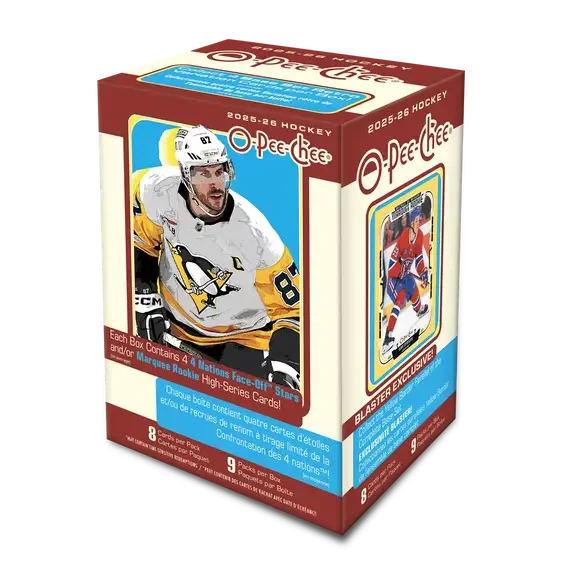
Entry-Level Products (Fun, Affordable, High Volume)
These are the most common and beginner-friendly products.
Examples:
Upper Deck Series 1 / Series 2 / Extended Series
O-Pee-Chee (OPC)
What to expect:
Lower cost per box
Lots of base cards
A chance at big rookie cards
Fewer “hit” cards per box
These products are all about volume and chasing rookies, especially flagship Young Guns.
Best for: learning the hobby, building sets, and affordable ripping
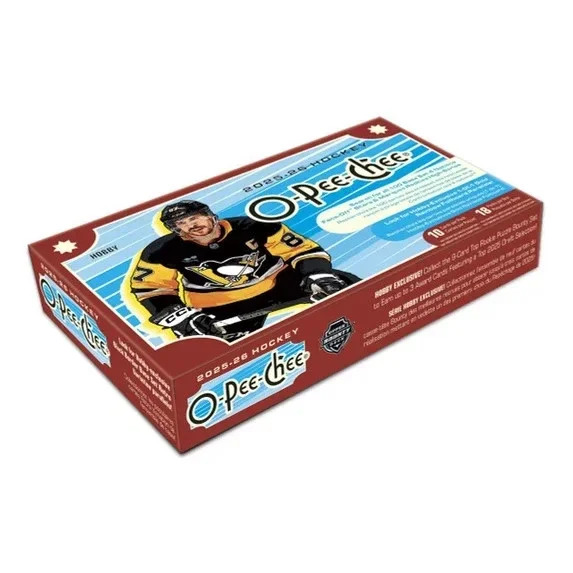
Mid-Tier Products (More Hits, More Variety, More Risk)
This is where things start to get more exciting — and more unpredictable.
Examples:
Allure
SP Authentic
Credentials
O-Pee-Chee Platinum
What to expect:
More inserts and parallels
Autographs become more common
Higher chance at numbered cards
Less base-heavy content
Best for: collectors who want more “hits” and variety beyond base rookies
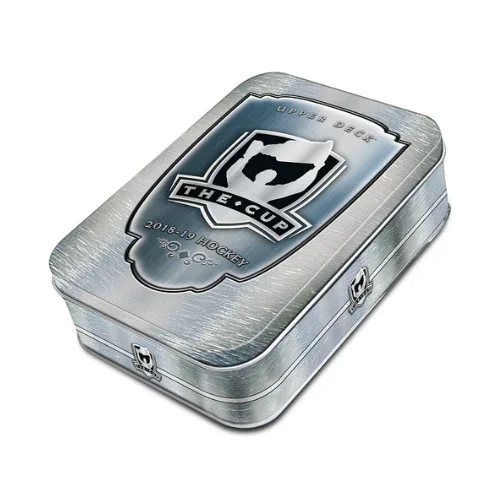
High-End Products (Big Hits, Big Money, Big Risk)
This is the premium tier of the hobby.
Examples:
The Cup
Premier
Ultimate Collection
Stature
What to expect:
High-cost boxes
Mostly “hit-based” content (autographs, patches, low-numbered cards)
Extremely rare cards
Higher potential upside — but also higher risk
Best for: experienced collectors chasing big cards or premium grails
Why This Matters
When people say a box is “expensive,” it’s not random.
You’re paying for:
Better odds at rare cards
Higher-end materials (patches, autos, low-numbered parallels)
Lower print runs (fewer total cards made)
But here’s the key takeaway:
More expensive doesn’t always mean “better” — it just means different.
A Series 1 box might actually be more important to a rookie collector than a high-end box, depending on what you’re chasing.
Simple Rule of Thumb
If you’re new:
Start with entry-level products
Learn what you enjoy chasing
Then explore mid-tier
Save high-end for when you know exactly what you’re after
Retail vs Hobby
(and Where Repacks Fit In)
This is one of the most important things to understand in hockey card collecting — and also one of the most misunderstood.
At a high level, there are three ways cards show up in the hobby:
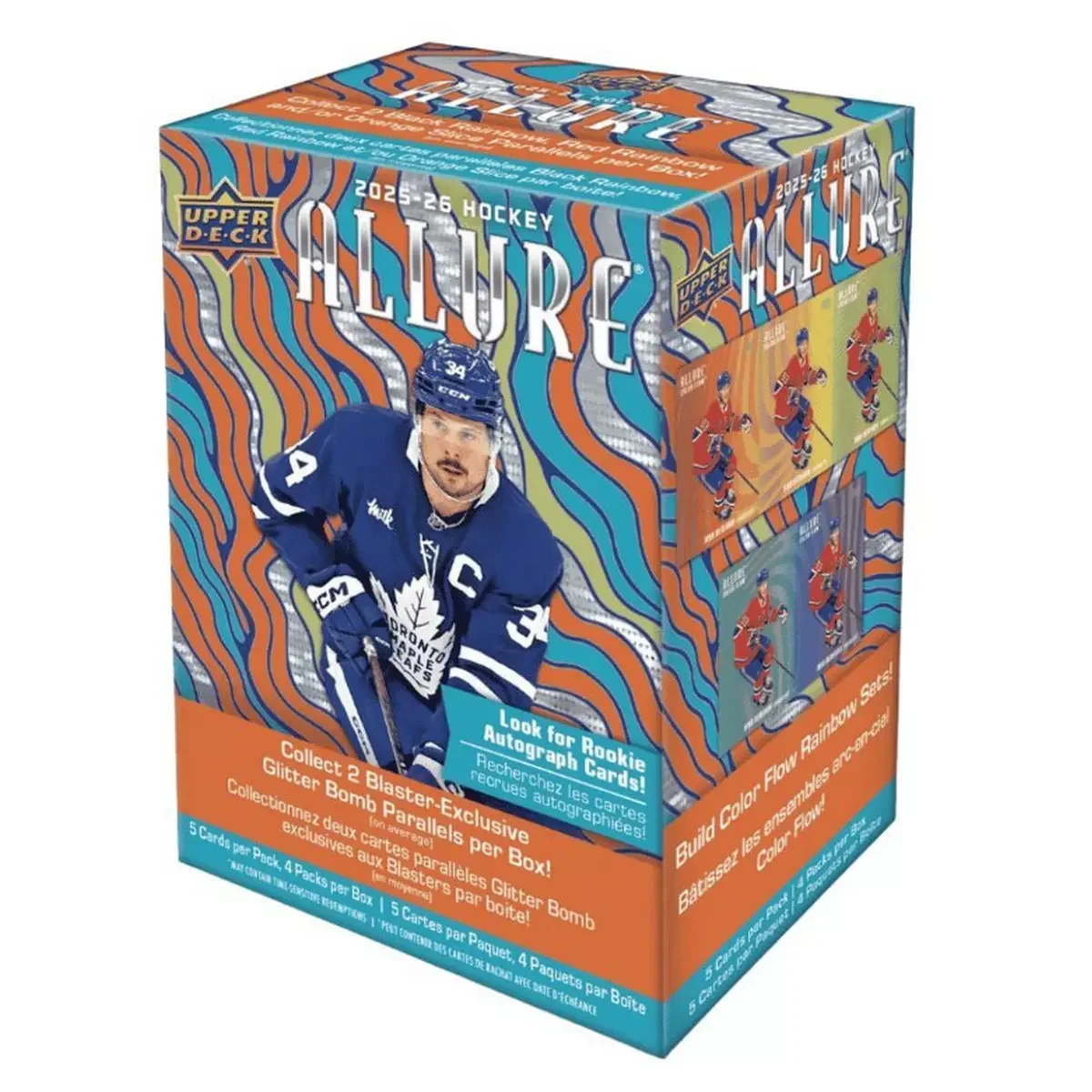
Retail (The Store Version)
Retail products are what you’ll find in big box stores like Walmart, Target, or local retail shops.
What to expect:
Lower price entry point
More base cards and fewer guaranteed “hits”
Higher print runs (more boxes made overall)
Chase cards are still possible, but harder to hit
Retail formats often include blasters, mega boxes, and hanger packs.
Best for: casual ripping, beginners, and budget-friendly opening
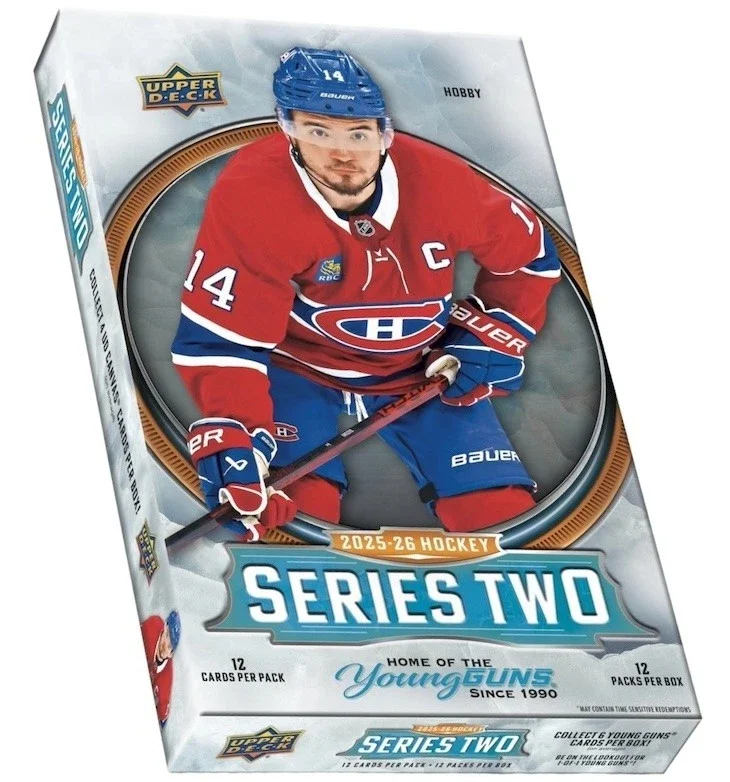
Hobby (The Collector Version)
Hobby products are sold through hobby shops or authorized breakers — and they are the main source of high-end chasing in the sport.
What to expect:
Higher price per box
Better odds at autographs, patches, and rare inserts
Exclusive hits not found in retail
More structured “guarantees” (like 1–2 hits per box depending on product)
Best for: serious collectors and those chasing big rookie or high-end cards
Hockey Card Lingo Decoder
(The Stuff Everyone Pretends to Know)
If you’ve ever watched a break, scrolled listings, or talked to collectors and felt like they were speaking another language… you’re not wrong.
Here’s your translation guide.
The Basics
Base Card
The standard version of a card. Most common. Not numbered. The foundation of every product.
Insert
A special themed card inside a product. Usually harder to pull than base cards.
Parallel
A different version of a base or insert card (often colored, shiny, or patterned). Some are numbered, some aren’t.
Numbered Card (/#)
A limited card with a print run (example: /99 means only 99 exist).
Hits & Big Chases
Hit
Any notable card pulled from a box — usually an autograph, patch, or low-numbered card.
Auto (Autograph)
A card signed by the player. One of the most desired types of hits.
Patch Card
A card featuring a piece of game-worn or game-used jersey material.
Rookie Card (RC)
A player’s first official card season. In hockey, these often carry the most long-term interest.
Rookie Patch Auto (RPA)
A card from a player’s rookie season featuring a “player/event-worn” or “game-used” jersey/patch swatch, as well as an autograph.
Young Guns (YG)
Upper Deck’s flagship rookie card series. Arguably the most collected rookie card in hockey.
Rarity & Chase Terms
Case Hit
A super rare card that typically appears once per case (multiple boxes). Not guaranteed.
SSP (Super Short Print)
Extremely rare insert or variation card.
SP (Short Print)
Less common than base inserts, but not as rare as SSP.
Hit Rate
How often a certain type of card shows up in boxes.
Break & Buying Terms
Break
A group opening of boxes where teams or spots are sold to participants.
Hit Draft
Participants take turns selecting hits from a group of pulled cards.
Random Team / Pick Your Team (PYT)
Different formats for how teams are assigned in breaks.
Collector Slang You’ll Hear Everywhere
“Chasing”
Actively trying to pull a specific player or card.
“Grail”
A collector’s most wanted card.
“Hit or miss box”
A box where outcomes vary widely depending on luck.
“Value hunting”
Trying to buy or open products with strong return potential.
Quick Reality Check
No one knows all of this on day one. Most collectors learn it the expensive way.
This page exists so you don’t have to.
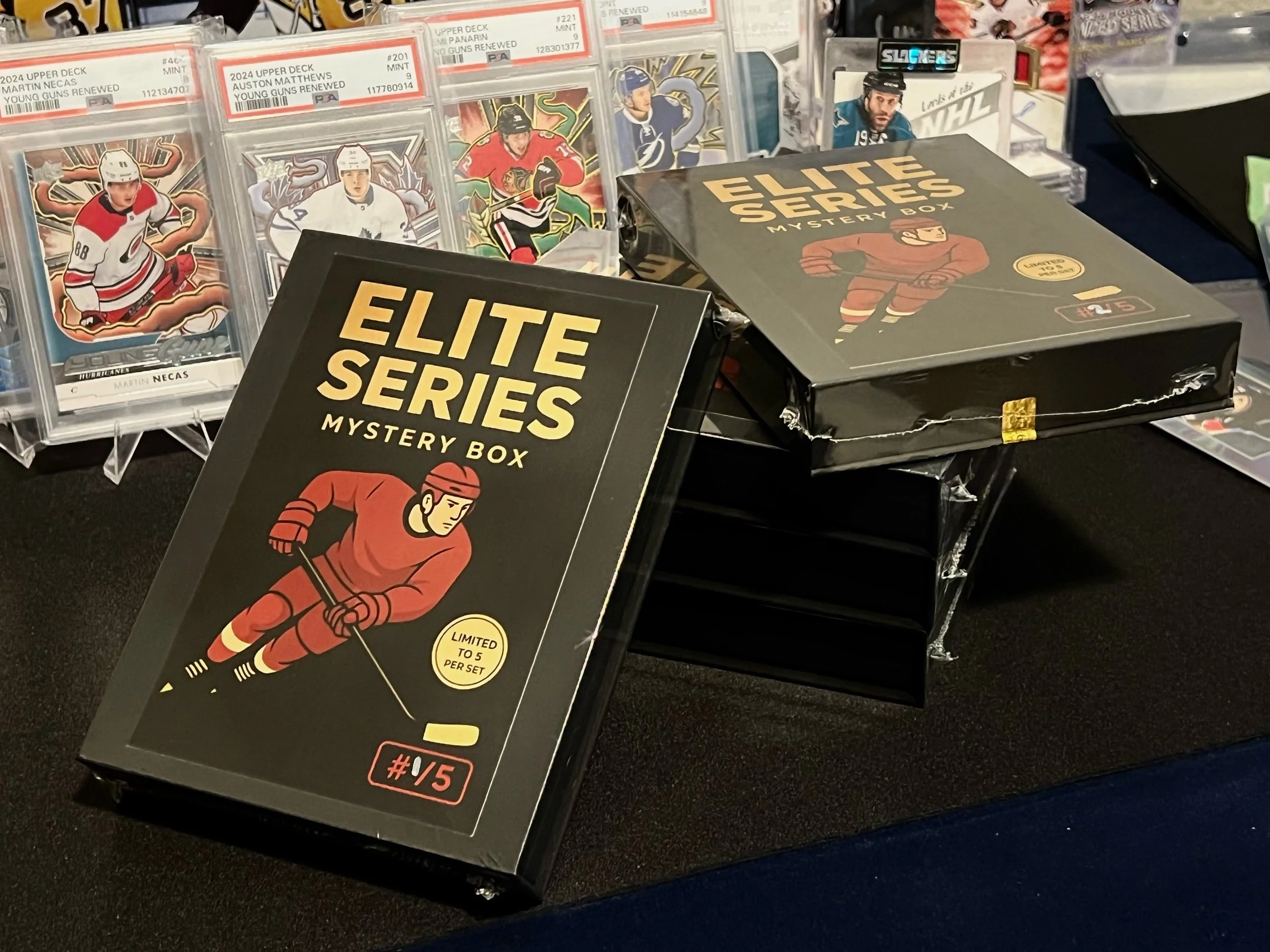
Repacks (The Wild Card)
Repacks don’t come from Upper Deck or any official manufacturer.
Instead:
A third party buys cards (singles, graded cards, or sealed product)
Then re-packages them into mystery boxes or “break-style” products
What to expect:
No standardized odds or factory guarantees (Unless Stated Otherwise)
Value depends entirely on the repack creator
Can include everything from base cards to high-end grails
Often marketed as “chase-heavy” or “hit-based” experiences
Some repacks feature complete or partial checklists
Best for: collectors who enjoy mystery-style ripping or curated chase products — but they require trust in the seller and understanding of risk.